
This new community centre for the village of Northmoor in Oxfordshire was designed to meet the needs of the community
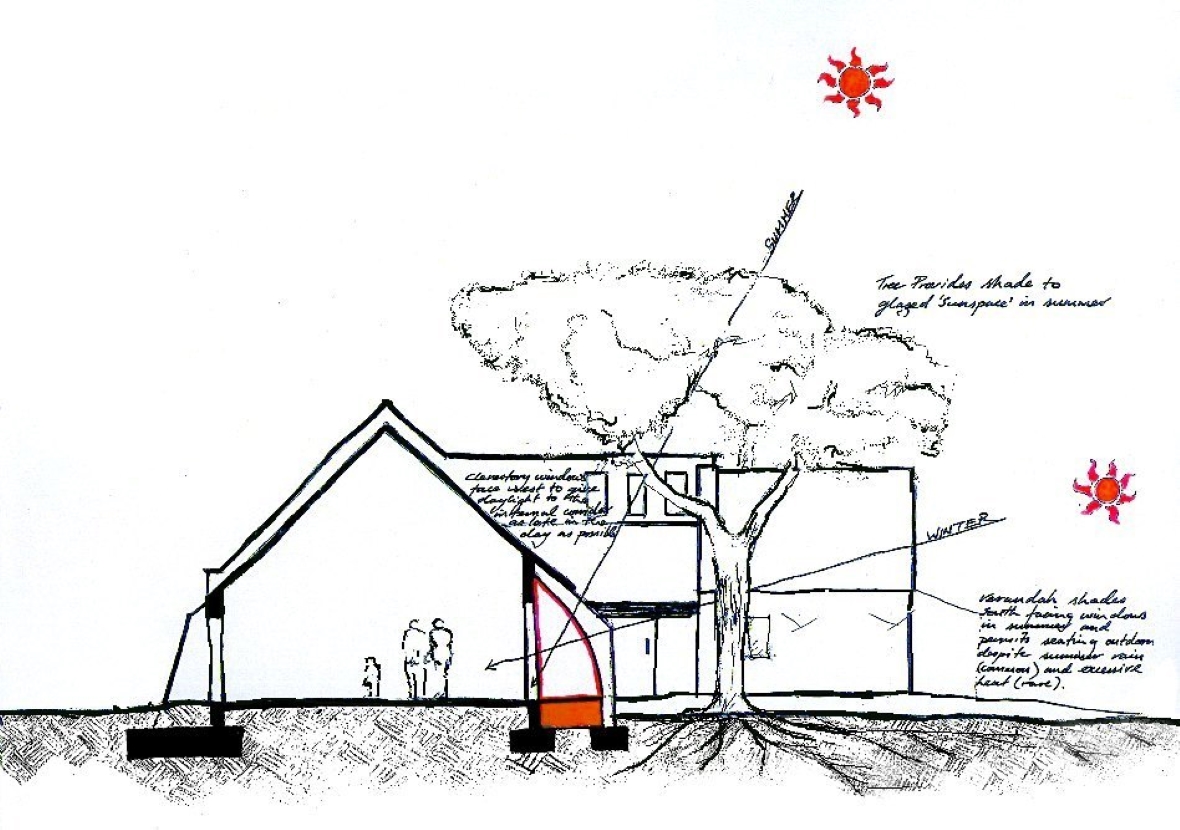
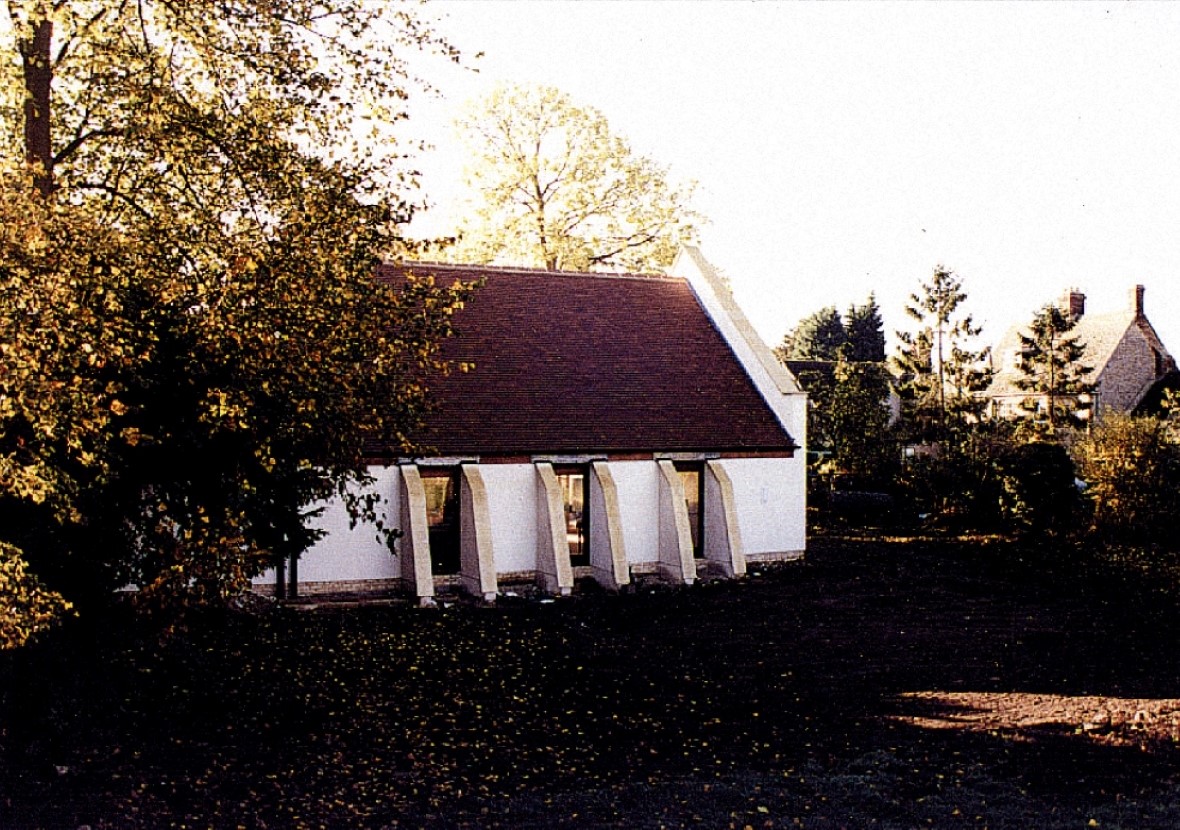


Along with the functional needs of a place to gather and to hold events, the aim was to reduce energy consumption using natural, low carbon materials. The result was a village hall with low energy use, low CO2 emissions, and low running costs.
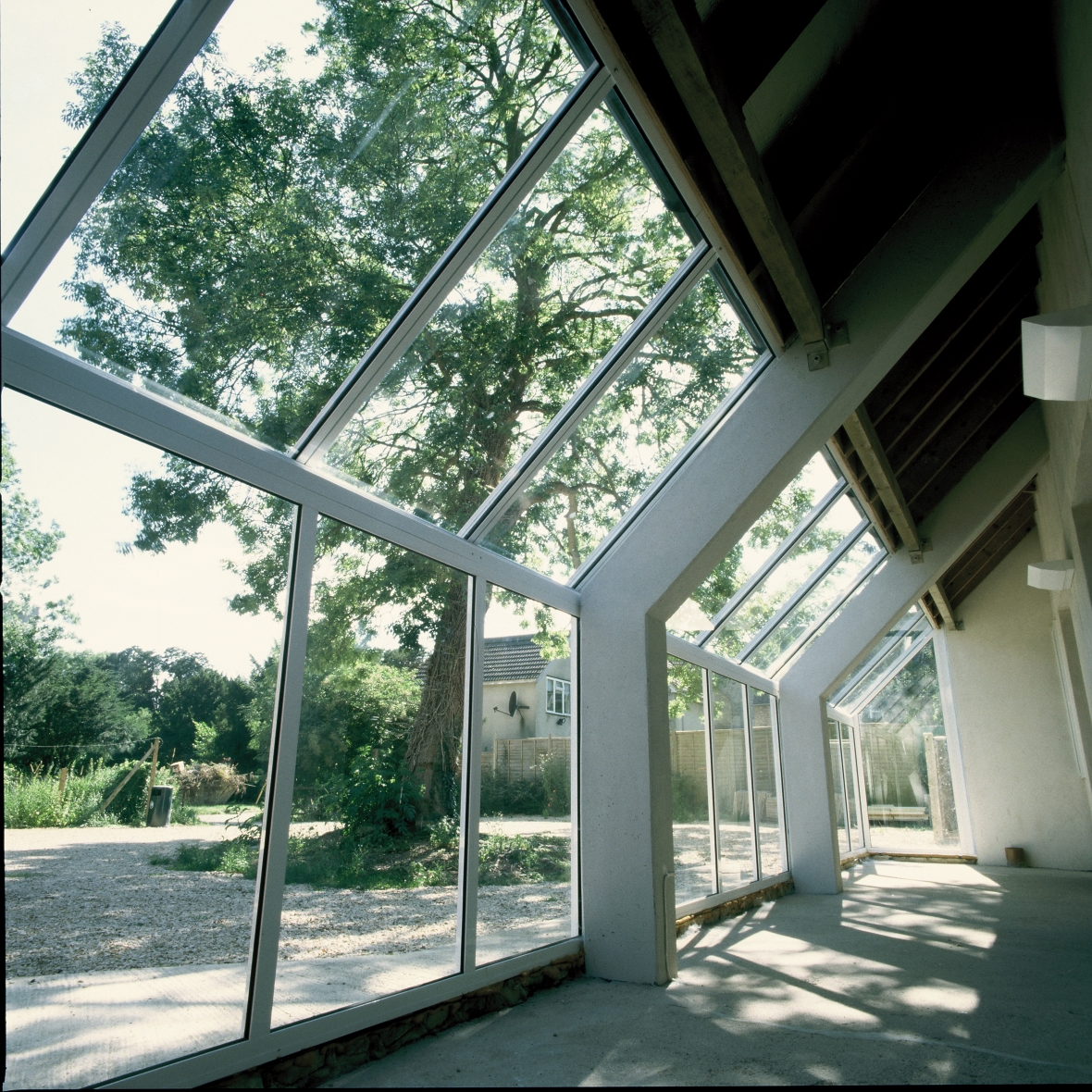
The first of its type in the UK, incorporating an innovative new solar heating system for Village Halls
and Community Centres. The south facing glazed sun space not only allows an attractive view, but
also acts like a greenhouse in trapping solar energy. The heat produced can be used directly by the
building, or stored for later use. This works best in the spring and autumn, but even winter sun keeps
the interior warmer than the outside air. To avoid overheating in summer, the building was positioned
to allow an ash tree to shade the sun space.
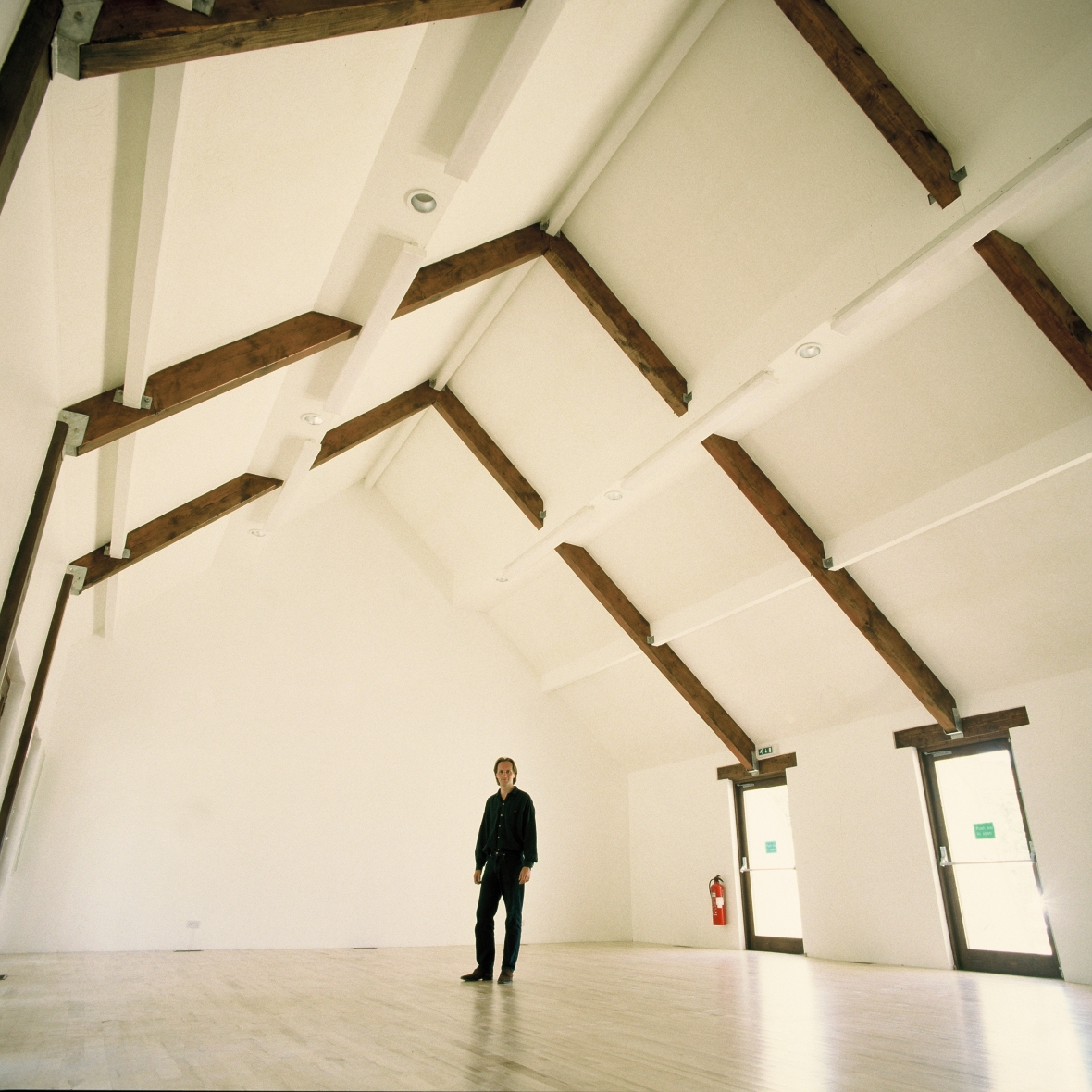
This glazing and the large windows behind let in much daylight and low winter sun, reducing the need
for artificial lighting. Energy use is further reduced by the use of highly economical low-energy lighting
and water heating systems.
Overall, the building produces only one quarter of the volume of carbon dioxide of its conventional
equivalent, and is estimated to use only half the energy. This of course reduces running costs and the
level of charges to users.
We applied for, and successfully obtained, funding for the hall from the Millennium Commission and
Shell Better Britain. We also gave detailed advice and assistance to the Village Hall Committee in their
successful applications to the District and County Councils and The Rural Development Commission
(now integrated into SEEDA).